
01 · Air purification & treatment
Activated Carbon Filters
Pelletised and impregnated carbon media for odor and VOC control.
Overview
What it does
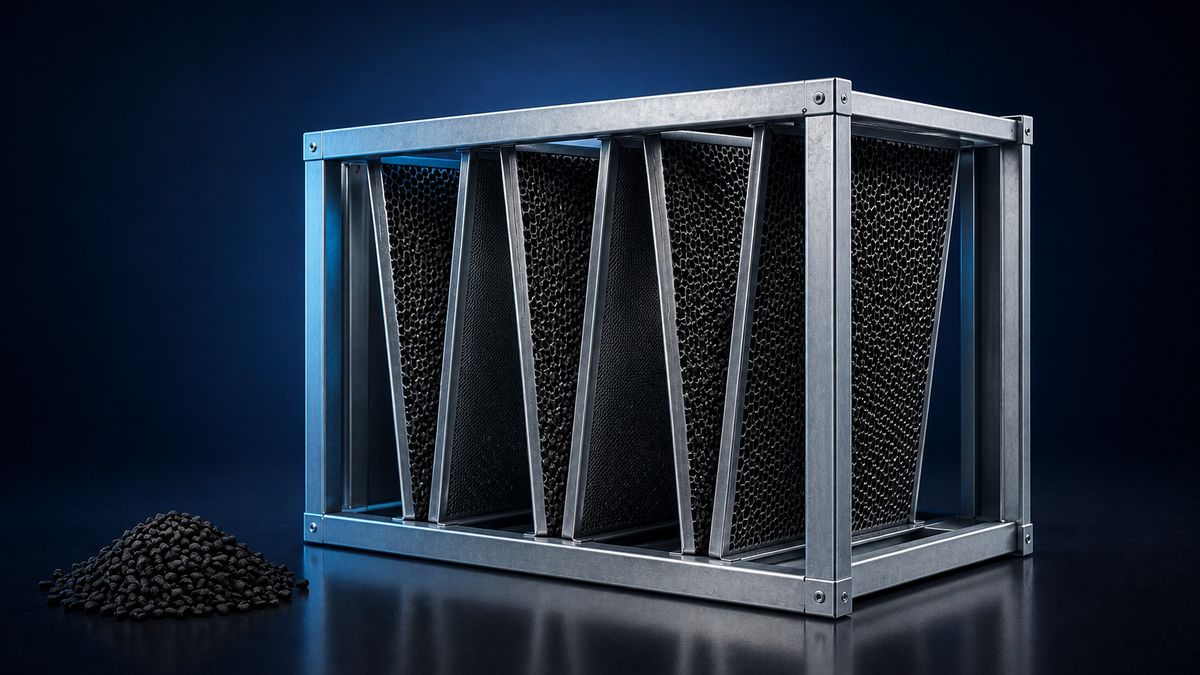
Flow Dynamics supplies activated carbon filters for odour and VOC control across the UAE. Carbon filters remove gas-phase contaminants, cooking odors, solvent vapors, sulfur compounds, hydrocarbons, that mechanical filters and ESPs cannot capture. Media is supplied as pelletised coconut-shell carbon in V-bank or panel frames, and for aggressive targets (H₂S, NH₃, SO₂) the carbon is chemically impregnated to selectively neutralise the contaminant. Typical deployments in the Gulf include sewage-pumping-station venting, airport terminal air handlers, and rooftop kitchen discharge polishing.
How it works
The working principle
Contaminated air is forced through a deep bed of activated carbon with an internal surface area of roughly 1,000 m² per gram. Odor and VOC molecules are physically adsorbed onto the pore walls and held there by van der Waals forces; impregnated carbons additionally react the contaminant to a stable solid. As the bed saturates, breakthrough moves steadily through the media and the filter is replaced. Proper sizing ensures the designed contact time, typically 0.1 to 0.4 seconds, so molecules spend enough time inside the bed to be captured.
Applications
Where it's used
Typical installations across the UAE and wider Gulf include:
- Sewage pump station and lift station odor control
- Commercial kitchen discharge polishing
- Airport and mall air handling units
- Morgues, mortuaries, and laboratories
- Paint booths and industrial solvent exhaust
- Gas sensor cabinets and telecom shelters
Specifications
Technical data
Indicative ranges, exact specifications are confirmed per project on selection.
| Media type | Coconut-shell pellet / impregnated blends |
|---|---|
| Carbon loading | 15–45 kg per V-bank module |
| Airflow per module | 1,700–3,400 m³/h |
| Pressure drop | 150–220 Pa clean |
| Target contaminants | Odors, VOCs, H₂S, NH₃, SO₂ |
| Frame | Galvanised or stainless steel |
 GAFCO · KSA Flow Dynamics supplies equipment from this manufacturer. We do not act as authorised representative unless explicitly stated in a specific project supply agreement.
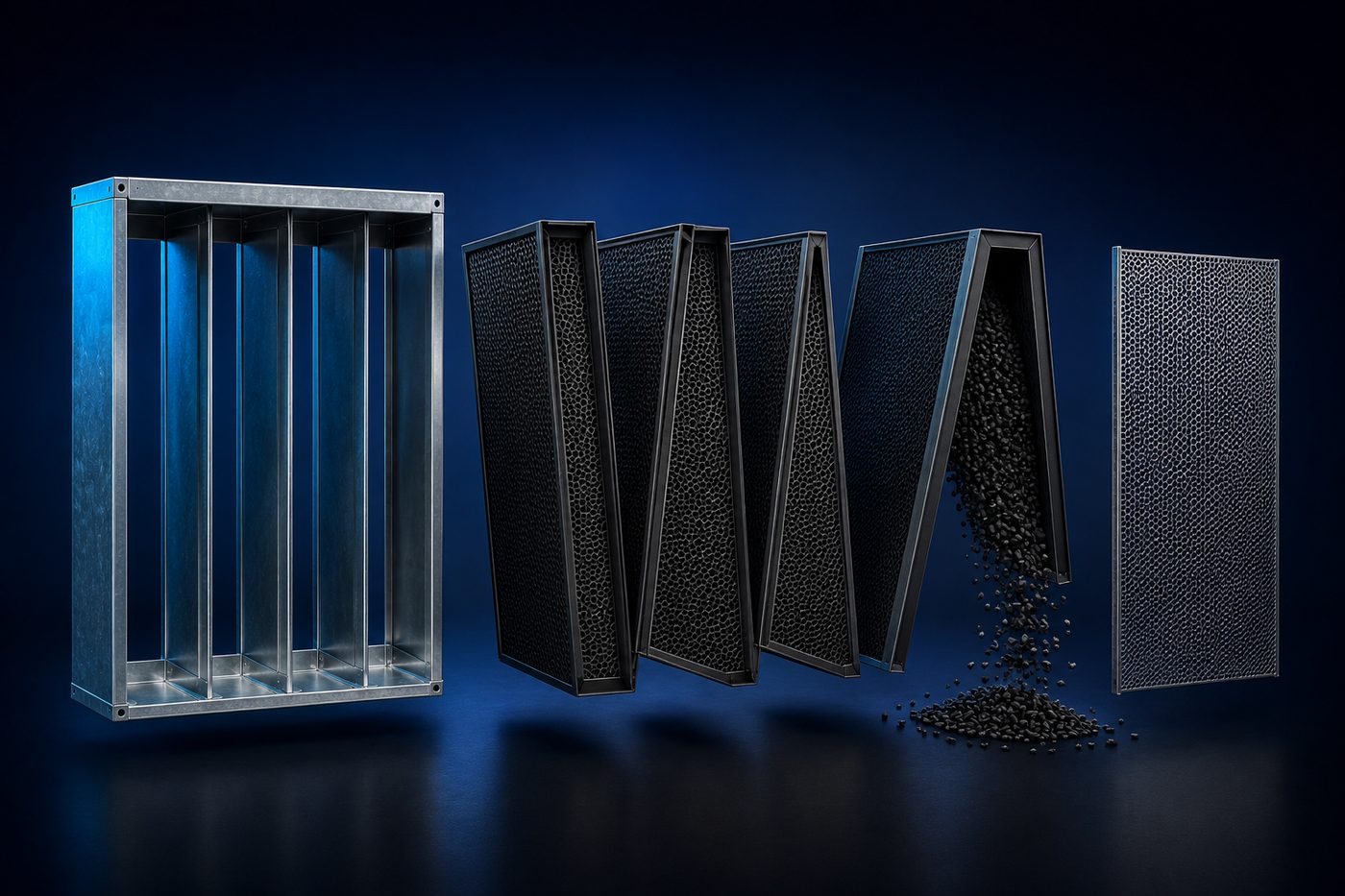
 Component teardown
Inside the machine.
Every component, taken apart. Select a marker to identify each part, or open the full teardown.
FAQ
Common questions
How long does a carbon bed last?
Bed life depends on the contaminant load and the carbon mass installed. As the bed saturates, breakthrough moves through the media and odour begins to pass, at which point the media is replaced. We size the bed for your target service interval and supply replacement media.
Standard or impregnated carbon, which do I need?
Standard pelletised carbon handles cooking odours and most VOCs. Aggressive gases like H₂S, NH₃ and SO₂ need chemically impregnated media matched to the specific contaminant. Tell us the source and we specify the blend.
How much carbon does my system need?
Send us the application, airflow or demand figures, and any consultant specification. Our engineers reply with a defended selection, datasheets and submittal documentation. Sizing is always confirmed by an engineer, never by a web calculator.
You may also be interested in
Complementary products often specified alongside Activated Carbon Filters.
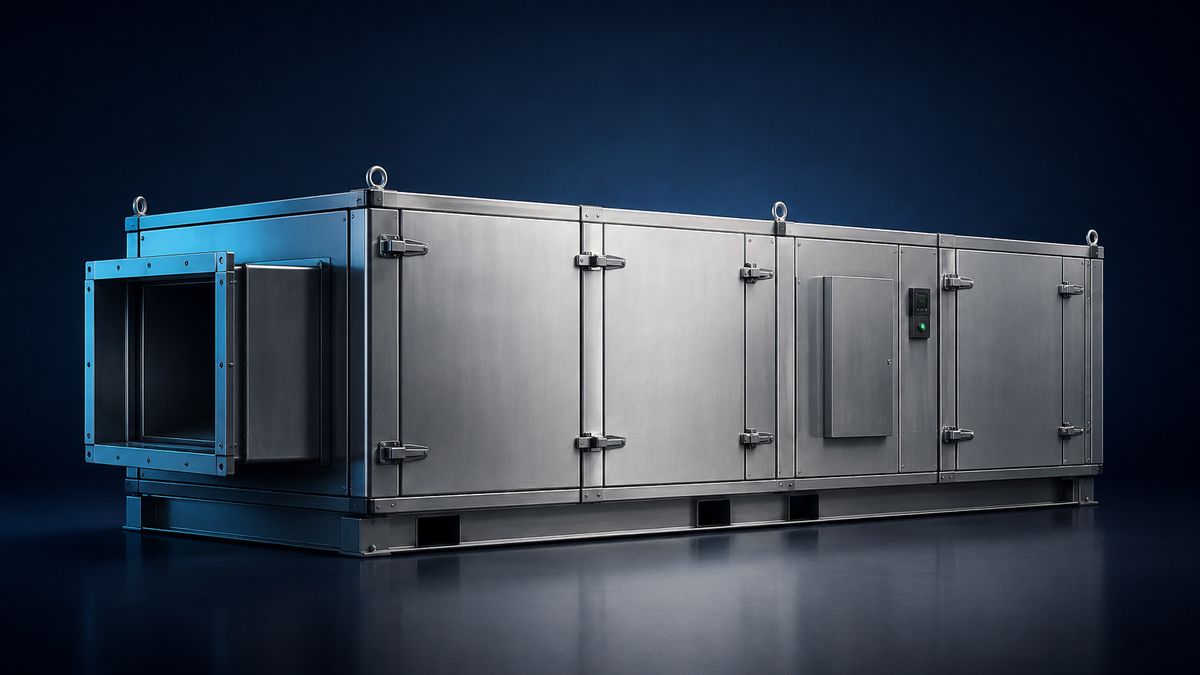
Ecology Units / MAFAHU
Multi-stage grease and odor control for commercial kitchen exhaust.
Learn more →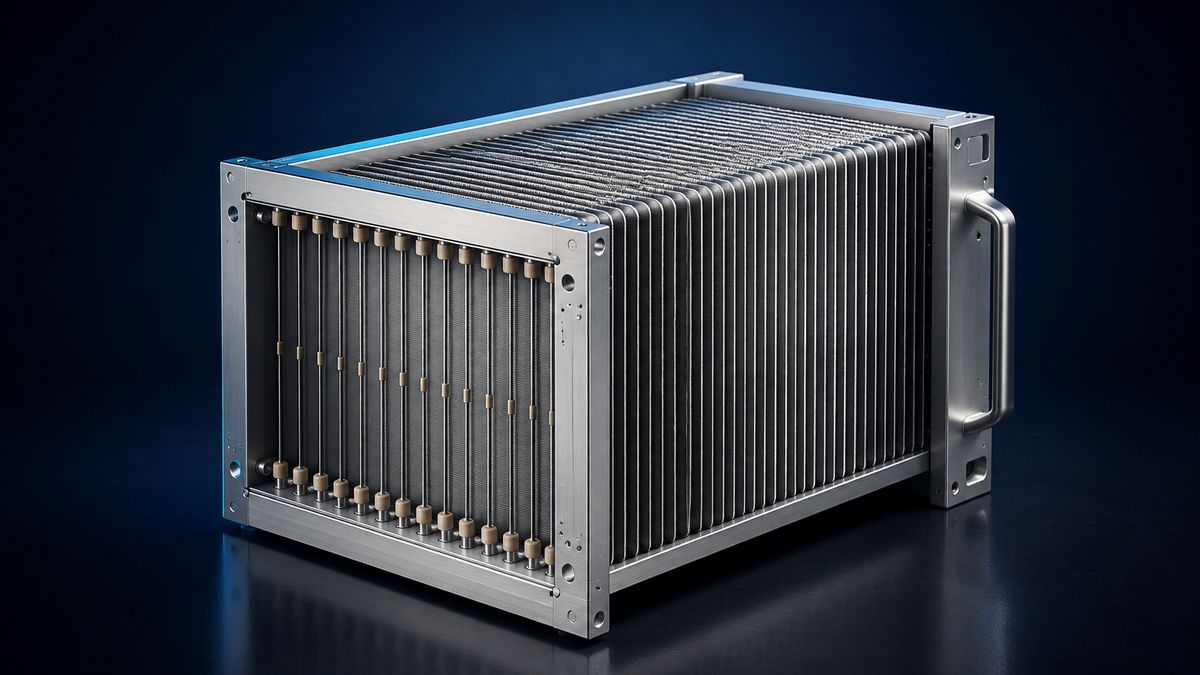
Electrostatic Filters
High-efficiency precipitators for grease, smoke, and sub-micron aerosols.
Learn more →
Healthcare & Clean Room Filtration
HEPA filters, BIBO containment, laminar flow, and fan filter units.
Learn more →Request a quotation.
Our engineering team can size Activated Carbon Filters for your specific project and provide full datasheets on request.